
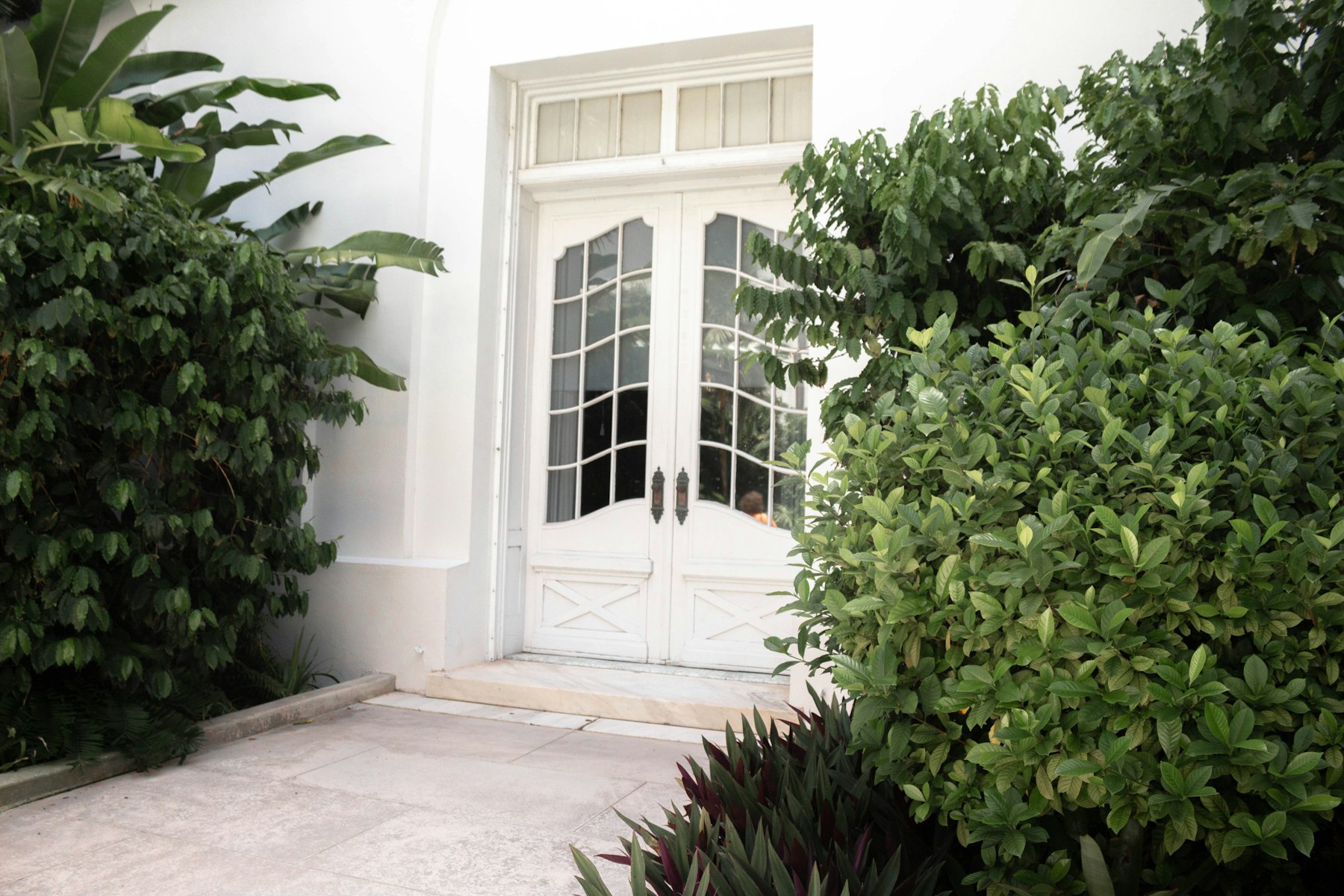
A private residence can offer what a hotel cannot: space, privacy and a sense of home. It also asks more of the guest. There is no front desk to absorb a problem, and the listing is often the only description you have.
When we evaluate a residence on behalf of a traveler, the questions below are the ones we ask. None requires special access. Most can be answered with a few messages before you pay.
Photographs versus reality
Listing photographs are chosen to flatter. Wide lenses enlarge rooms, and images can predate a renovation or a change of furniture. Ask when the photographs were taken. Request a recent video walkthrough, or current images of the rooms that matter most to you: the main bedroom, the kitchen, the pool and the approach to the house.
Check the bed configuration room by room, not just the bedroom count. Confirm how many guests the home is permitted to sleep, which can differ from how many it appears to fit.
Platform terms set a baseline. Airbnb’s Rebooking and Refund Policy covers stays where a listing is significantly different than advertised, including room count, type or location, and cases where an advertised amenity such as a pool, hot tub or air conditioning is not present or does not work. Guests are asked to report an issue within 72 hours of discovering it, with photographs or video 1. Knowing that window exists, and documenting conditions on arrival, protects you.
If a host cannot answer these questions plainly, that is an answer in itself.
Verify that the home may legally host you
Many cities require a permit or registration before a home can be rented for short stays. In New York City, for example, booking platforms are prohibited from processing transactions for unregistered short-term rentals 2, and whole-home rentals for fewer than 30 days are not allowed 3. Austin requires a license for stays of less than 30 consecutive days and set July 1, 2026 as the date it would begin asking platforms to remove unlicensed listings 4.
An unpermitted home can be a home whose booking is canceled late. Ask for the permit or registration number and check it against the city’s records where they are published.
Avoid payment traps
The Federal Trade Commission advises travelers not to wire money or pay with a prepaid or gift card for a vacation rental, to get a copy of the contract before sending any deposit, and to look out for unusually cheap rates for premium properties 5. It also warns against being rushed into a decision 5. A legitimate residence will not object to a written agreement and a traceable payment method.
Access, arrival and staffing
Arrival is where most small problems begin. Confirm the exact address and gate instructions, how keys or codes are delivered, and whether the drive is suitable for your vehicle. For homes reached by private aircraft, ask how far the residence is from the nearest suitable airport and how ground transport will be arranged.
Clarify staffing in writing. Is housekeeping daily or at departure only? Is a house manager on call, and how quickly can they arrive? If a chef, driver or security is included, confirm hours and what is billed separately. Ask who to call at night if the power or water fails.
Cancellation and damage terms
Read the cancellation policy before you book, not after. Note the dates on which refunds step down and whether a weather or travel disruption changes them. Ask how the security deposit is held, when it is returned and what condition report it relies on. Photograph the residence on arrival and departure. Clear documentation is the simplest protection for both guest and owner.
Safety items worth asking about
Water is the first concern when children are present. The U.S. Consumer Product Safety Commission reported that an average of 357 children under 15 fatally drowned each year in pool- or spa-related incidents from 2020 through 2022, that children aged 1 to 3 accounted for 68 percent of those deaths, and that 85 percent of the deaths with a known location occurred in a residential setting such as a backyard pool 6.
The CPSC’s barrier guidelines recommend a pool barrier at least 48 inches high, with gates that open away from the pool and are self-closing and self-latching. Where the house forms one side of the barrier, doors with direct access to the pool should have an audible alarm 7. Ask whether the residence has a full fence, a pool cover, door alarms, or all three.
Inside, ask about alarms. The CPSC recommends smoke alarms on every level of a home, inside each bedroom and outside sleeping areas, and carbon monoxide alarms on every level and outside sleeping areas, tested monthly 8. The National Fire Protection Association notes that smoke alarms cut the risk of dying in a home fire in half 9. Homes with fuel-burning appliances, fireplaces or attached garages make carbon monoxide alarms especially important. Ask where the fire extinguisher and first-aid kit are kept, and locate them when you arrive.
What this means for you
A short checklist covers most of the risk: recent photographs or video, a verified permit, a written contract with traceable payment, clear arrival and staffing details, understood cancellation and deposit terms, and confirmed pool barriers and alarms. If a host cannot answer these questions plainly, that is an answer in itself.
Aukeo Concierge asks these questions before we recommend a residence, so our guests can arrive and simply settle in.